
Soup Bowls vs. Salad Bowls: Selecting the Right Paper Container
From leak-proof soup bowls to wide salad bowls, we break down the functional differences and help you pick the perfect container for your menu.
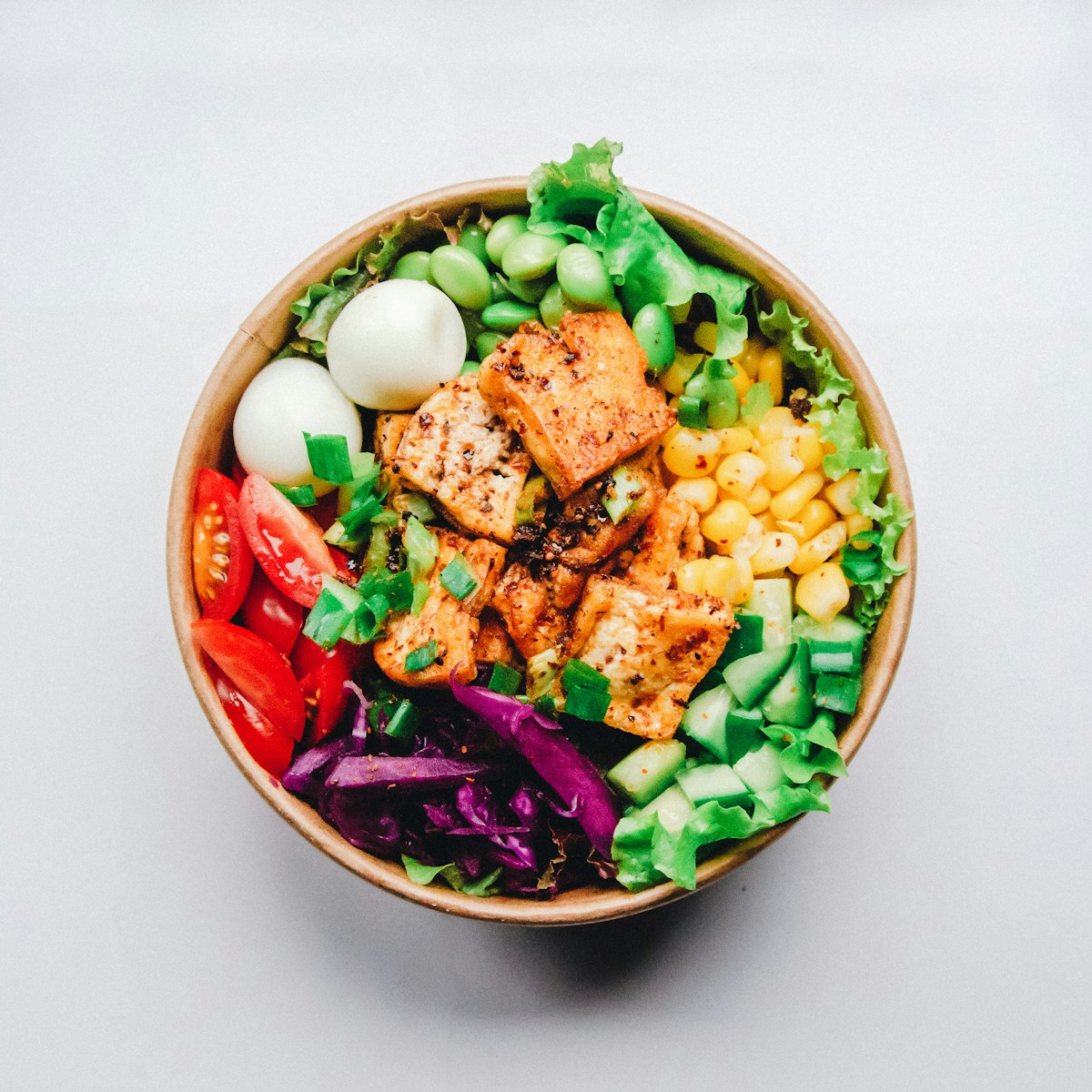
One Bowl Does Not Fit All
At first glance, a paper bowl is a paper bowl. But talk to any operations manager at a soup bar, salad chain or Asian takeaway and you will hear a different story. The wrong bowl leads to leaking broth, soggy lids, collapsed containers and unhappy customers. The right bowl keeps the product intact, the customer comfortable and the brand looking professional.
This guide compares paper soup bowls and paper salad bowls across six practical dimensions — shape, structure, lining, lid fit, temperature handling and customisation — so you can specify the right container for each menu item with confidence.
1. Shape and Geometry: Deep vs. Wide
The most obvious difference between a soup bowl and a salad bowl is the profile.
Soup Bowls
Soup bowls are deeper and narrower, with steep side walls and a smaller diameter-to-height ratio. This shape serves two functions:
- Heat retention: a smaller opening means less surface area exposed to the air, keeping soup hotter for longer.
- Spill resistance: steep walls prevent sloshing during transport — critical for delivery riders and takeaway customers carrying the bowl in a bag.
Typical dimensions for soup bowls range from 8 oz (240 ml) to 32 oz (950 ml), with diameters between 90 mm and 150 mm.
Salad Bowls
Salad bowls are shallower and wider, with gently sloping walls. This shape is designed for:
- Easy tossing and mixing: customers need to be able to reach the bottom with a fork or tongs to toss dressing through the greens.
- Presentation: a wide opening lets the contents be visible — important for fresh, colourful salads where the visual appeal is part of the product.
- Portion display: wider bowls make the portion look generous, which matters for premium salad pricing.
Typical dimensions range from 16 oz (480 ml) to 32 oz (950 ml), with diameters between 140 mm and 185 mm.
2. Structural Requirements: Stiffness and Crush Resistance
Both bowl types must hold their shape when stacked, filled and carried — but the structural challenges differ.
Soup Bowls Need Rim Strength
Soup bowls carry heavier, liquid contents. The critical failure point is the rim — if the rim flexes, the lid pops off and the contents spill. To prevent this, quality soup bowls use:
- Heavier paperboard: typically 300–400 gsm, compared to 250–320 gsm for salad bowls.
- Reinforced rim rolling: a tight rolled rim that locks the lid and distributes the weight of the liquid evenly around the circumference.
- Ribbed or fluted walls (optional): some premium soup bowls add vertical ribs to the outer wall for extra crush resistance during stacking and transit.
Salad Bowls Need Base Stability
Salad bowls carry lighter but bulkier contents. The failure point is the base — if the base is too narrow or too thin, the bowl tips over on a table or in a delivery bag. Quality salad bowls use:
- A wider, flat base: provides stability on flat surfaces and resists tipping.
- Anti-slip base texture (optional): a lightly textured or matte-finish base that grips smooth countertops.
3. Lining and Barrier: Grease, Liquid and Moisture
The lining is the thin barrier applied to the inside of the bowl. It determines how well the container handles liquids, grease and condensation.
| Requirement | Soup Bowls | Salad Bowls |
|---|---|---|
| Liquid barrier | Critical — must hold hot liquid for 30+ minutes without softening | Moderate — handles dressing and condensation, not full liquid loads |
| Grease resistance | High — many soups contain oil or cream | Moderate — vinaigrettes and sauces can be oily |
| Temperature | Must handle 80–95 °C contents | Cold service only — ambient to refrigerated |
| Recommended lining | PE or water-based barrier (PLA only if contents stay below 85 °C) | PE, PLA or water-based — all suitable |
4. Lid Compatibility: Getting the Seal Right
A bowl is only as good as its lid. Lid fit is the single most common source of operational failure in paper food packaging.
Soup Bowl Lids
- Snap-on dome lids are standard — the dome provides headroom for chunky soups and creates a tight friction fit with the rolled rim.
- Materials: PET (clear, for visibility), PP (opaque, microwave-safe) or CPLA (compostable).
- A vent hole is essential for hot soups — without it, steam pressure builds and can pop the lid or cause burns during opening.
Salad Bowl Lids
- Flat or shallow-dome lids are standard — they press onto the rim and are often held in place by a paper band or sticker.
- Clear lids are strongly preferred for salads, where visual presentation drives the buying decision.
- No vent hole needed — cold contents do not produce steam.
5. When to Use Each Bowl Type: A Menu-Item Mapping
| Menu Item | Recommended Bowl | Why |
|---|---|---|
| Hot soup, ramen broth, congee | Deep soup bowl | Heat retention, spill resistance, liquid integrity |
| Chilli, curry, stew | Deep soup bowl | Heavy liquid + grease content requires strong lining |
| Fresh salad, poke bowl, grain bowl | Wide salad bowl | Ease of tossing, visual presentation |
| Fruit salad, acai bowl | Wide salad bowl | Cold service, premium visual appeal |
| Pasta with sauce | Mid-depth bowl (either type) | Moderate liquid, needs grease resistance |
| Noodle takeaway | Deep soup bowl | Hot liquid + noodle weight + delivery transit |
6. Sourcing Considerations
When ordering paper bowls from a manufacturer in China, pay attention to these specifics:
- Request both the bowl and the lid together — lids sourced from a different factory may not fit the rim profile precisely.
- Test with your actual food — generic water-fill tests do not replicate hot grease, acidic dressing or heavy noodle loads. Always test with real product before committing.
- Specify the lining on the purchase order — do not assume. Write "PE-lined" or "PLA-lined" explicitly on the PO to avoid mix-ups.
- Ask for stacking tests — a good manufacturer will supply a test report showing how many filled bowls can be stacked before the bottom bowl deforms.
7. Ascent Pak's Bowl Range
Ascent Pak manufactures both soup bowls and salad bowls in sizes from 8 oz to 32 oz, with PE, PLA and water-based lining options. All bowls are produced in our FSC-certified, BRC-audited Ningbo factory using food-grade paperboard from 250 to 400 gsm.
Whether you need a deep, reinforced soup bowl for hot ramen delivery or a wide, clear-lidded salad bowl for a premium poke concept, contact our team — we will recommend the right configuration and send samples within one business day.
We Are
Manufacturer
Office: Room1810, Century Oriental Plaza CBD, Ningbo, China.
Factory: No.676 Tinghai Road, Chunxiao District, Beilun Ningbo, China.
TEL: 0574-86089899
Email: info@ascentpak.com