
The Rise of Eco-Friendly Food Packaging in 2025
Discover why global brands are switching to biodegradable paper containers — and how Ascent Pak leads the shift with FSC-certified materials.
Why 2025 Marks a Turning Point for Sustainable Packaging
The food packaging industry is undergoing its biggest structural shift in decades. Driven by a combination of tightening regulations, changing consumer expectations and genuine supply-chain innovation, brands that once defaulted to polystyrene clamshells and plastic-lined containers are now actively sourcing paper-based alternatives. For food service operators, caterers and retail brands, understanding this shift is no longer optional — it is a procurement reality that affects cost, compliance and brand positioning.
In this article we examine the key forces behind the eco-packaging movement in 2025, the materials and certifications that actually deliver on sustainability claims, and the practical steps buyers can take to transition their supply chains without sacrificing performance.
1. Regulatory Pressure: What Changed in 2024–2025
Governments across Europe, North America and Asia-Pacific have accelerated single-use plastics bans faster than most industry observers expected. Some of the most consequential developments include:
- EU Single-Use Plastics Directive enforcement: Member states began issuing fines for non-compliant food-contact items in 2024, creating immediate demand for certified paper alternatives.
- US state-level bans: California, New York and Washington now restrict polystyrene in food service, with more states expected to follow by 2026.
- China's plastic pollution roadmap: China's national plan targets a significant reduction in single-use plastics in food delivery by 2025, directly benefiting domestic paper-packaging manufacturers.
- Extended Producer Responsibility (EPR): Brands operating in the EU and UK now face fees tied to the recyclability of their packaging — making paper containers cheaper to use than plastic equivalents on a per-unit regulatory-cost basis.
For procurement teams, the practical effect is straightforward: plastic-based food packaging is becoming more expensive to specify, and paper-based alternatives are closing the performance gap at a faster pace than expected.
2. Consumer Demand: The Pull Factor
Regulation pushes — but consumers pull. Multiple 2024 surveys confirm a consistent pattern:
- Over 70% of consumers in Europe and North America say they prefer brands that use sustainable packaging.
- More than 60% report they are willing to pay a modest premium (typically 5–10%) for clearly eco-labelled food containers.
- Social-media visibility amplifies the effect: branded paper cups and kraft containers photograph better than generic plastic, making them a subtle but effective marketing asset.
This consumer preference is especially strong among 18–35-year-olds — the demographic that drives takeaway, coffee and fast-casual dining trends globally.
3. Material Advances: What Is Actually Available Now
Five years ago, "eco-friendly paper packaging" mostly meant flimsy kraft boxes with no grease resistance. Today's material landscape is far more sophisticated.
FSC-Certified Paperboard
The Forest Stewardship Council (FSC) certification traces paper fiber back to responsibly managed forests. It is the most widely recognized sustainability credential in the packaging industry and is now a baseline requirement for most European and North American buyers. Paperboard grades suitable for food contact typically range from 250 to 400 gsm, depending on the product type.
PE-Free Barrier Coatings
Traditional paper cups use a thin polyethylene (PE) lining to prevent liquid absorption. While effective, PE makes recycling difficult. In 2025, three viable alternatives exist:
- PLA (polylactic acid): a plant-based polymer that is industrially compostable. Works well for cold and warm beverages up to approximately 85 °C.
- Water-based barriers: the newest technology — a water-borne coating applied directly to the paper fibers. Leading formulations now match PE performance for most food-contact applications.
- Bagasse and bamboo fiber: moulded fibre containers that require no plastic lining at all. These work especially well for meal boxes, plates and bowls.
Compostable Lids and Accessories
The lid is often the weak link in an eco-packaging system. A PLA-lined cup with a polystyrene lid defeats the purpose. Leading manufacturers now offer CPLA (crystallised PLA) lids for hot drinks and PET-free cold-drink lids that match the compostability profile of the cup itself.
4. The Business Case: Cost, Waste and Brand Value
The assumption that eco-friendly packaging always costs more is increasingly outdated. Several factors are changing the economics:
- EPR fee offsets: In the EU and UK, recyclable paper containers attract lower EPR fees than plastic equivalents, reducing the net cost difference.
- Scale: As global demand for paper food packaging grows, unit production costs fall. Chinese manufacturers running high-capacity FSC-certified lines now offer pricing competitive with plastic in many product categories.
- Waste reduction: Better barrier coatings mean fewer leaking containers, fewer customer complaints and less food waste — a hidden but measurable cost saving.
- Brand premium: Brands that visibly switch to eco packaging report improved customer perception scores and, in some categories, higher willingness to pay.
5. Common Pitfalls When Switching to Paper Packaging
Transitioning from plastic to paper is not without risk. The most common mistakes we see buyers make include:
- Ignoring the lid and sleeve pairing: specifying a compostable cup but sourcing conventional lids undermines the entire sustainability claim.
- Over-specifying gram-weight: heavier paperboard is not always better — it increases cost and shipping weight without improving performance if the barrier coating is well-engineered.
- Skipping the print test: some water-based coatings accept ink differently than PE. Always request a printed production sample before committing to a full run.
- Not verifying certifications: request the actual FSC, ISO or BRC certificate from the manufacturer — logos on a website are not proof of compliance.
6. How Ascent Pak Approaches Sustainable Manufacturing
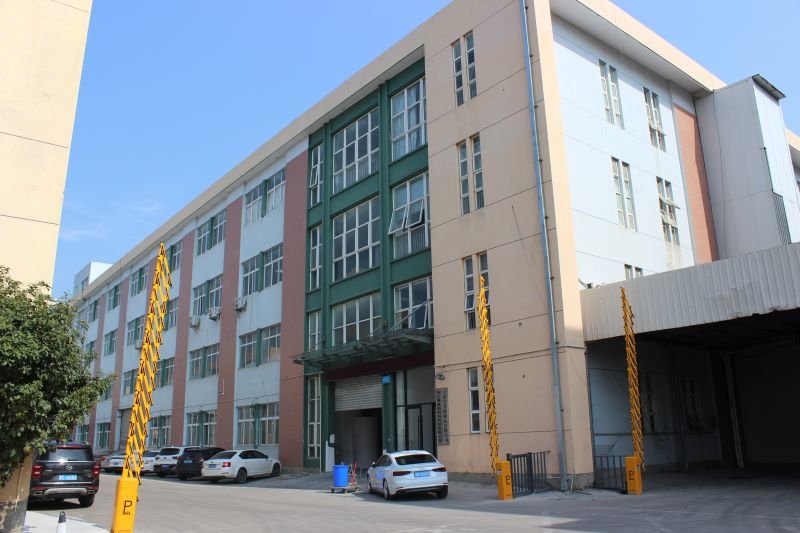
As a Ningbo-based manufacturer with 17+ years of experience in paper food packaging, Ascent Pak has invested heavily in the transition to eco-friendly production. Key capabilities include:
- FSC-certified paperboard sourcing — all base paper is traceable to FSC-managed forests.
- PLA, water-based and PE lining options available across the full product range.
- ISO 9001 quality management and BRC food-safety certification at factory level.
- BSCI social-compliance audit passed — meeting ethical manufacturing standards for European and North American buyers.
- In-house flexo and offset printing with food-safe inks compliant to FDA and EU 10/2011 standards.
7. Practical Steps for Brands Planning the Switch
- Audit your current packaging SKUs — list every item by material, size and monthly volume.
- Identify the easiest wins — paper cups, bowls and meal boxes are usually the simplest starting point.
- Define your sustainability target — do you need industrial-compostable, home-compostable or simply recyclable? The answer changes material selection.
- Request samples from 2–3 manufacturers — compare not just the cup quality but the documentation: certificates, test reports, material data sheets.
- Run a trial order — 5,000–10,000 units is usually enough to test logistics, end-user feedback and any printing issues.
- Update your marketing — once the switch is live, make sure your eco-credentials are visible on menus, websites and social media.
Looking Ahead
The momentum behind eco-friendly food packaging is not slowing down. Regulatory pressure will only increase, material technology will only improve and consumer expectations will only grow. Brands that begin the transition now will be better positioned than those forced to react under deadline pressure.
If you are evaluating paper packaging suppliers for the first time, or looking to upgrade from conventional PE-lined products to compostable alternatives, contact the Ascent Pak team — we can provide samples, technical data sheets and pricing within one business day.
We Are
Manufacturer
Office: Room1810, Century Oriental Plaza CBD, Ningbo, China.
Factory: No.676 Tinghai Road, Chunxiao District, Beilun Ningbo, China.
TEL: 0574-86089899
Email: info@ascentpak.com